BUILD A STRONGER BODY.
NOT JUST A SMALLER ONE
Preserving and building muscle supports strength, metabolism, mobility, recovery, energy, and long-term health.
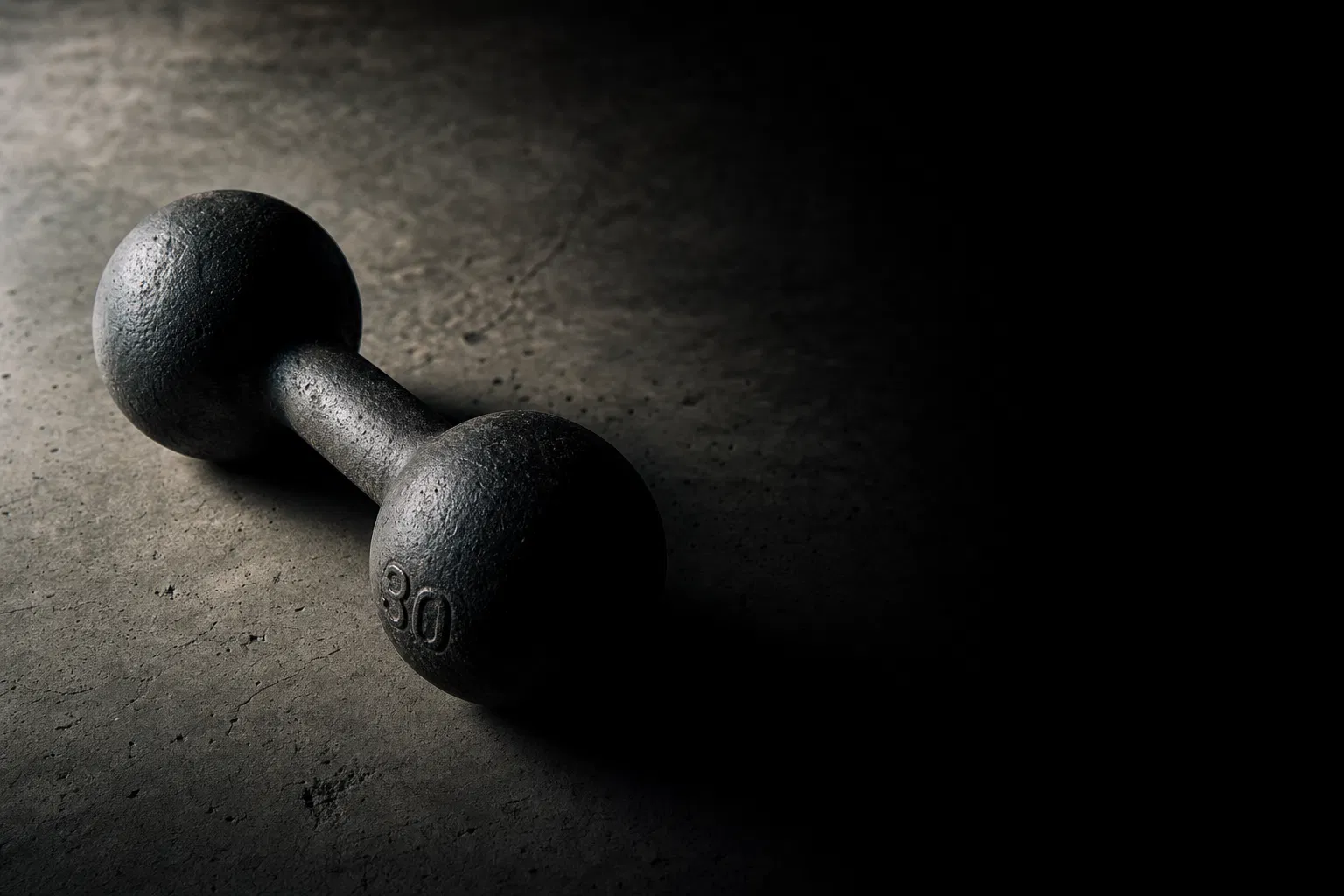
Preserving and building muscle supports strength, metabolism, mobility, recovery, energy, and long-term health.
When people lose weight quickly — through severe restriction or GLP-1 medications — a significant portion of what they lose is not fat. It is muscle. Losing it makes long-term results harder to maintain and leaves the body weaker, not just lighter.
Losing muscle lowers your resting metabolic rate. A slower metabolism means fewer calories burned at rest — making long-term weight maintenance significantly harder after the diet phase ends.
Losing weight without protecting lean tissue often leaves people weaker, softer, and frustrated — despite the scale moving down. Lower weight does not automatically mean a better body composition.
Extreme dieting without muscle preservation increases the likelihood of rapid regain after the diet phase ends. Less muscle means less metabolic resilience — and a harder road back every time.
Preserving muscle during fat loss is not about working harder or restricting more. It is about applying the right inputs consistently — a sustainable deficit, the right training signal, adequate protein, and data-driven adjustments over time.
A moderate, sustainable calorie deficit preserves muscle far better than aggressive restriction. Extreme deficits accelerate muscle loss and make the process harder to maintain.
Strength training sends a direct signal to the body to preserve lean tissue. Without it, the body has no reason to hold onto muscle during a calorie deficit.
Consistent protein intake supports recovery and lean mass retention during fat loss. It is the single most important nutritional variable for muscle preservation.
Real data and performance feedback allow for precise adjustments over time. Guessing leads to stalls and frustration. Tracking creates a feedback loop that actually works.
Muscle preservation is not built through extremes. It is built through structure, consistency, and learning how to execute the right plan over time.
Build A Healthier,
Stronger Body